Finsbury Park house removals N4 tips for tight access
Posted on 09/06/2026

Moving house in Finsbury Park can feel straightforward on paper, then suddenly the street narrows, the stairwell turns awkward, and the van cannot quite get where you hoped it would. That is exactly why Finsbury Park house removals N4 tips for tight access matter so much. In a busy part of North London, the difference between a calm move and a stressful one is often a handful of small decisions made early: checking access, choosing the right vehicle, packing in the right order, and planning for real-world obstacles like parking, shared entrances, and basement flats.
This guide is built to help you prepare properly, avoid the usual headaches, and make sensible choices whether you are moving from a terrace, a top-floor flat, or a home tucked away behind a narrow road. You will find practical steps, comparison advice, a realistic example, and a checklist you can actually use on moving day. No fluff. Just the stuff that tends to matter when space is tight and time is precious.
Why Finsbury Park house removals N4 tips for tight access Matters
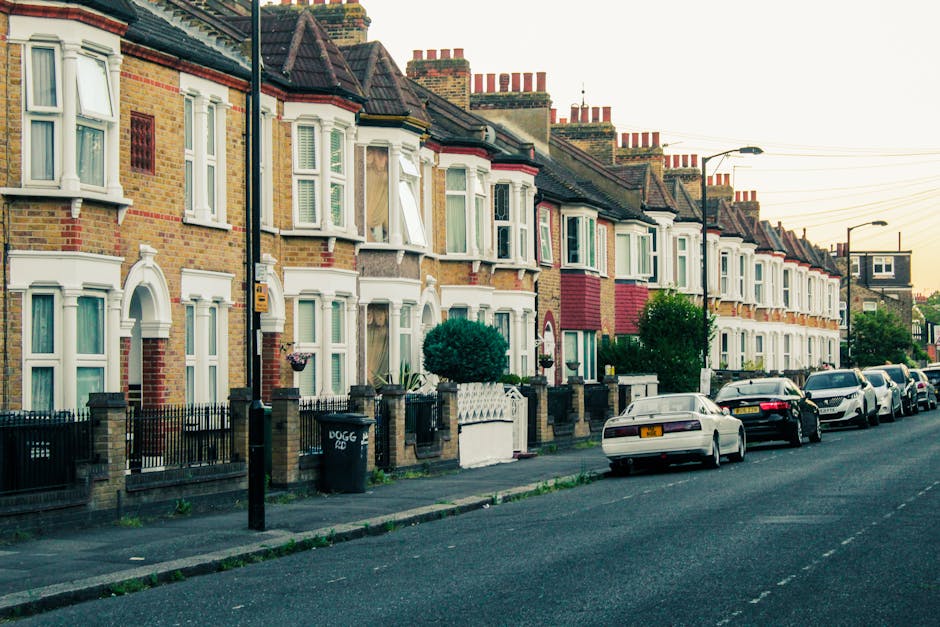
Tight access changes everything. A standard house move assumes the van can park close by, that furniture can move in a straight line, and that the team can work with minimal obstacles. In Finsbury Park, that is not always the reality. Some streets are busy at peak times, some homes sit behind awkward entrances, and some buildings have narrow hallways, steep stairs, or shared landings that make every carry a little slower.
That does not mean the move will be difficult, only that it needs to be planned properly. If you treat access as an afterthought, you can end up paying for extra labour time, making repeat trips, or dealing with items that simply will not fit through the route you expected. To be fair, most moving problems are predictable once you stop and look at the property properly.
For local context, it helps to understand the area itself. Finsbury Park has a mix of housing types, from compact flats to older homes with character and quirks. If you are new to the neighbourhood, a useful starting point is this overview of Finsbury Park as a London suburb. It gives a sense of the local streetscape, which is often more revealing than any generic moving advice.
Access issues matter because they affect time, safety, and cost. A move that takes 90 minutes in an easy-access property may take twice as long when the team has to carry furniture around corners, down stairs, or through a shared hallway. That extra effort is normal. It is not a problem if you expect it.
How Finsbury Park house removals N4 tips for tight access Works
When access is tight, the move should begin long before the van arrives. Good removals planning usually starts with a quick access review. That means checking the route from front door to vehicle, measuring furniture that could be awkward, and spotting anything that might require special handling. Think of it as mapping the move rather than just booking it.
In practical terms, the process often looks like this:
- Assess the property layout and identify the narrowest points.
- Decide whether large items need dismantling before moving day.
- Choose a vehicle and crew size that suit the site, not just the volume of items.
- Plan the loading order so heavier items go out first without blocking access.
- Reserve time for parking, stair carrying, and any delays from shared entrances or lifts.
If you are moving a flat, it may also help to review dedicated flat removals in Finsbury Park, because flats and houses present different access problems. If you are moving a full property with mixed furniture, house removals in Finsbury Park is the broader service to think about.
The key is not to hope the crew can "make it work somehow." They usually can, but the smoother option is to give them the right route, the right information, and the right equipment from the beginning. That is the difference between controlled movement and a slightly frantic shuffle through a front hall while someone mutters, "we'll just try turning it the other way." Classic moving-day moment, really.
Key Benefits and Practical Advantages
Planning for tight access brings more than convenience. It makes the whole move feel less chaotic, which is worth a lot on a day when you are already dealing with keys, boxes, and the emotional weirdness of leaving a place behind.
- Less damage risk: Furniture is less likely to scrape walls, dent bannisters, or catch on door frames.
- Better time control: You reduce the chance of delays caused by surprise access problems.
- More accurate quotes: The moving team can estimate labour and vehicle needs more honestly.
- Lower stress: Everyone knows the route, the sequence, and what might need extra care.
- Safer lifting: Tight spaces often mean awkward lifting, so good planning helps reduce strain.
There is another benefit that people often overlook: good access planning helps you decide what should move, what should be dismantled, and what is better placed into storage or disposed of responsibly. If you end up not taking everything with you, storage in Finsbury Park can be a practical bridge during a move, especially when timings are awkward or the new place is not fully ready.
And for larger furniture, the right help really does make a difference. A dedicated furniture removals service in Finsbury Park is worth considering when your sofa, wardrobe, or dining table is the item that makes access tricky in the first place.
Who This Is For and When It Makes Sense
This advice is for anyone moving in or out of Finsbury Park where the route is not wide open. That includes owners, tenants, students, landlords arranging a turnaround, and people moving after a short or long tenancy. If your property has narrow stairs, a tight turning circle, no nearby parking, or a shared entrance, this guide should save you some frustration.
It is especially useful if you are:
- moving from a Victorian terrace with narrow internal hallways
- leaving a top-floor flat with no lift
- moving a family home with bulky furniture and a lot of boxes
- trying to complete a move within a small time window
- handling an item that needs careful carrying, such as a piano
If your move is smaller, a lighter service may be enough. Some people prefer a man with van in Finsbury Park or a man and van in Finsbury Park for compact loads or shorter local trips. Others need a fuller team. The right choice depends on access more than people sometimes realise.
Students, in particular, often underestimate how much time stairs add to the day. If that sounds familiar, you may find student removals in Finsbury Park more suitable than a one-size-fits-all approach.
Step-by-Step Guidance
1. Measure the route, not just the rooms
Start by checking the narrowest doorways, stair turns, hallway corners, and any gate or entrance that sits between the property and the van. A surprisingly ordinary-looking chest of drawers can become the problem item if it needs to pivot around a tight landing.
2. Identify the awkward furniture early
Wardrobes, beds, sofas, mirrors, piano bodies, and wide headboards are the usual suspects. Do not wait until the night before. If something looks like it will take manoeuvring, it probably will. Dismantling a bed frame at 8 p.m. after a long day is not ideal, let's be honest.
3. Decide what to dismantle, wrap, or store
Some items should be taken apart before moving day. Others only need protective wrapping. A few may be better moved separately or even stored temporarily. This is where sensible judgment saves time. If a door can be removed and refitted easily, that may give you the extra centimetres needed to protect both the item and the wall.
4. Plan parking and loading positions
For tight-access jobs, parking is part of the logistics, not an afterthought. Try to decide where the van can stop without blocking neighbours, entrances, or traffic. If the vehicle cannot get close, expect longer carries and adjust the schedule accordingly.
5. Pack in a way that supports the route
Keep corridor-friendly boxes stacked neatly, label them clearly, and avoid overfilling large boxes with heavy mixed contents. Smaller, stronger boxes are often easier to carry through narrow spaces. A box that is easy to pick up is worth more than a box that looks efficient but becomes a wrestling match halfway down the stairs.
6. Protect the property both ways
Door frames, bannisters, floors, and corners should be protected before bulky items start moving. In tight homes, the first scrape often happens because someone thought "we'll be careful" was enough. Careful helps. Padding helps more.
7. Build in buffer time
Buffer time is not wasted time. It is the bit that keeps the day from going off the rails when a wardrobe catches, a neighbour needs access, or the lift is unexpectedly occupied. If you are hiring professionals, ask them how they account for tight access in the schedule. A good company will not rush the answer.
Expert Tips for Better Results
Here is the practical truth: the move gets easier when you reduce the number of decisions on the day itself. The more you settle in advance, the calmer everything feels.
- Photograph the access route and send the images ahead if you are getting a quote. Pictures help far more than "it's a bit tight, but fine."
- Use smaller boxes for books and kitchen items. Heavy boxes make tight stair carries awkward very quickly.
- Keep one clear path from the front door to the van. It sounds obvious, but boxes always seem to drift into the corridor by lunchtime.
- Separate essentials early. You do not want the kettle, charger, and keys hiding in the last unlabelled box.
- Ask about dismantling support. Some furniture is better dismantled by the team, especially if it saves wall damage.
- Think about timing. Early starts can be useful in busier streets where access is easier before traffic builds.
For awkward or fragile items, it can also help to book specialist support rather than trying to stretch a general move into something it is not. That is particularly true for bulky decorative pieces, instruments, or expensive furniture. If you need that kind of help, piano removals in Finsbury Park is a good example of a service designed for careful handling rather than brute force.
One more thing, and this sounds small but it matters: tell the movers about the exact number of internal steps. "A few stairs" has a funny habit of turning into a long flight. Been there, more than once.

Common Mistakes to Avoid
Most access problems are not dramatic disasters. They are usually just a chain of small assumptions. The fix is to stop assuming and start checking.
- Assuming the van can park close enough. Always check the likely parking position.
- Ignoring internal narrow points. A property can look roomy, then fail at the hallway bend.
- Leaving dismantling until the last minute. This creates pressure and increases the chance of damage.
- Using oversized boxes. Big boxes are not always more efficient; sometimes they are just harder to carry.
- Forgetting shared access rules. Flats and maisonettes often have practical rules that affect timing and loading.
- Not flagging delicate items. A moving team can only plan around the problem if they know it exists.
A surprisingly common error is booking the wrong type of help for the job. If your move involves more carrying than loading, a smaller service is not automatically cheaper once time and effort are counted. That is why comparing options matters. For broader support, removal services in Finsbury Park can be a more suitable starting point than guessing at the smallest vehicle available.
Another mistake? Not asking about safety procedures. Tight access can increase the chance of slips, trips, and strained lifting if the team is not organised. It is perfectly reasonable to ask how the movers handle property protection and manual handling. In fact, you should.
Tools, Resources and Recommendations
You do not need a warehouse full of equipment to move well, but a few basic tools make tight access far less painful.
- Furniture sliders: Useful for shifting heavier items across smooth floors before lifting.
- Removal blankets and wrap: Good for protecting corners, polished surfaces, and tight stairwells.
- Allen keys and screwdrivers: Essential for dismantling beds, tables, and flat-pack furniture.
- Strong tape and labels: Helps keep boxes secure and easy to identify.
- Gloves with grip: Handy when carrying through narrow entrances or damp outdoor paths.
- Door protection pads: Worth it in older properties with tight frames or painted woodwork.
In terms of services, choosing the right vehicle matters as much as choosing the right packing method. A dedicated removal van in Finsbury Park may be the right fit for one move, while a smaller local option could be better if access is especially limited. If you want a simple service for compact jobs, man and a van in Finsbury Park can be a practical middle ground.
For people comparing providers, it also helps to read up on the wider market. A page on removal companies in Finsbury Park can help you think through service style, vehicle size, and the level of support you actually need.
Law, Compliance, Standards, or Best Practice
For house removals, the main thing is to follow sensible UK best practice around safety, access, and property care. That means using proper manual handling methods, keeping walkways clear, and avoiding unsafe lifts. If a move involves public road space, parking restrictions, loading rules, or shared access, those practical details need to be respected too.
You do not need to become a compliance expert, thankfully. But you should expect your moving team to work in line with normal industry safety standards. That includes planning loads properly, using suitable equipment, and taking care around vulnerable surfaces and narrow spaces. Where an item is awkward or heavy, it should be handled with the correct number of people and the right technique, not rushed because the clock is ticking.
Insurance is another sensible consideration. Any reputable move should be clear about what is covered and what is not. If you are unsure, ask before moving day. The same goes for booking terms, cancellations, and payment expectations. If you want to look at the company's own policies and general trust information, pages such as insurance and safety, health and safety policy, and terms and conditions are worth checking before you commit.
And if you like to be methodical, fair enough, the company's wider service information and payment details can also help you feel more comfortable. You can review the full services overview and payment and security information to understand how the process is handled.
Options, Methods, or Comparison Table
Choosing the right moving approach for a tight-access home is mostly about balancing capacity, manoeuvrability, and labour. Bigger is not always better. Sometimes a smaller, more agile setup is simply the smarter call.
| Option | Best for | Strengths | Trade-offs |
|---|---|---|---|
| Man and van | Smaller loads, short local moves, limited access | Flexible, nimble, often easier on narrow streets | Less space for large household contents |
| Man with van | Compact moves with fewer bulky items | Good for straightforward local collections and drops | May not suit full-house moves with many stairs |
| Removal van with a fuller service | Most standard house moves with more furniture | More capacity, better for mixed loads | Can be harder to park or position in tight roads |
| Specialist removals team | Large, fragile, or awkward items; complex access | Better planning and handling for difficult moves | May cost more, though often worth it |
If you are moving a whole property, removals in Finsbury Park may be the most balanced option. If your load is lighter, the smaller services above can be more practical. There is no prize for booking the biggest truck available if it cannot sensibly reach your front door.
Case Study or Real-World Example
Picture a typical Finsbury Park move: a two-bedroom flat in a period building, third floor, no lift, and a loading space that is not directly outside the entrance. Nothing unusual, but not effortless either.
The first issue is the staircase. It is perfectly usable, but the turns are tight enough that a sofa will need to be carried on an angle. The second issue is parking. The van can get near, but not right beside the doorway. The third issue is the wardrobe in the main bedroom, which looked manageable until everyone stood in the hallway and realised the corners were less forgiving than they appeared in daylight.
The move went smoothly once the access was properly mapped. The wardrobe was dismantled the evening before. Boxes were packed smaller than usual. Fragile items were grouped separately. The team arrived with a clear carry route and enough padding to protect the walls. The result? Slightly slower than a street-level move, of course, but controlled and uneventful. And on moving day, uneventful is a lovely word.
In situations like this, smaller support can make sense. Some clients also combine moving and storage if the new home is not ready, or if furniture is waiting on decorators. That is where a service like man with a van in Finsbury Park or temporary storage in Finsbury Park can solve a very ordinary, very real problem.
Practical Checklist
Use this checklist in the week before the move. It is the sort of list that saves people from last-minute panic, which, truth be told, is enough reason on its own.
- Measure doorways, stairs, and any awkward corners.
- Check whether parking is realistic near the property.
- Photograph bulky furniture and tight access points.
- Dismantle beds, tables, or wardrobes if needed.
- Label boxes clearly and keep heavy items in smaller boxes.
- Clear the route from each room to the exit.
- Protect floors, bannisters, and door frames.
- Set aside essentials for the first night.
- Confirm arrival time and access notes with the movers.
- Plan for extra time if stairs, parking, or loading space are limited.
It can also help to have a calm, simple fallback if access becomes harder than expected. A short-term storage option, a smaller vehicle, or an extra pair of hands can make the day feel far less brittle. That flexibility matters more than people think.
Conclusion
Tight-access moves in Finsbury Park do not have to be complicated. They just need proper thought, honest planning, and the right moving setup. Once you identify the narrow points, choose a suitable vehicle, pack with the route in mind, and give the team accurate information, the whole process becomes much more manageable.
The big lesson here is simple: access is not just a detail. In a place like N4, it is part of the move itself. Handle that well and everything else tends to fall into place a bit more smoothly. Not perfectly, maybe. Moving is rarely perfect. But smoother, safer, and far less stressful? Absolutely.
If you are comparing options, reviewing service details, or deciding what kind of help you need, start with trusted local information and build from there. A little preparation goes a long way, and on moving day that really shows.
Get a free quote today and see how much you can save.